
The independent fashion label
8,000 followers. One founder. A photographer booked when budget allows, which isn't every month. The last drop shipped with three usable photos and a deadline that didn't wait for a fourth.
The jewelry brand shooting on a kitchen table
Product's good. The photos don't say so. Every new SKU means another round of "who's free this week" texts to a freelancer.
The cosmetics founder posting inconsistently
40,000 followers, a content calendar that exists in theory. Weeks go by, because a real shoot means a studio, a model, and a day nobody has.
The DTC brand that outgrew its freelancer
Sales are up. Creative output isn't. One photographer can't cover the volume a growing catalog now needs.
The small studio or agency (3–15 people)
Already selling fashion and lifestyle work. Already turning down briefs the team can't physically shoot. Needs a white-label backend, not another vendor.
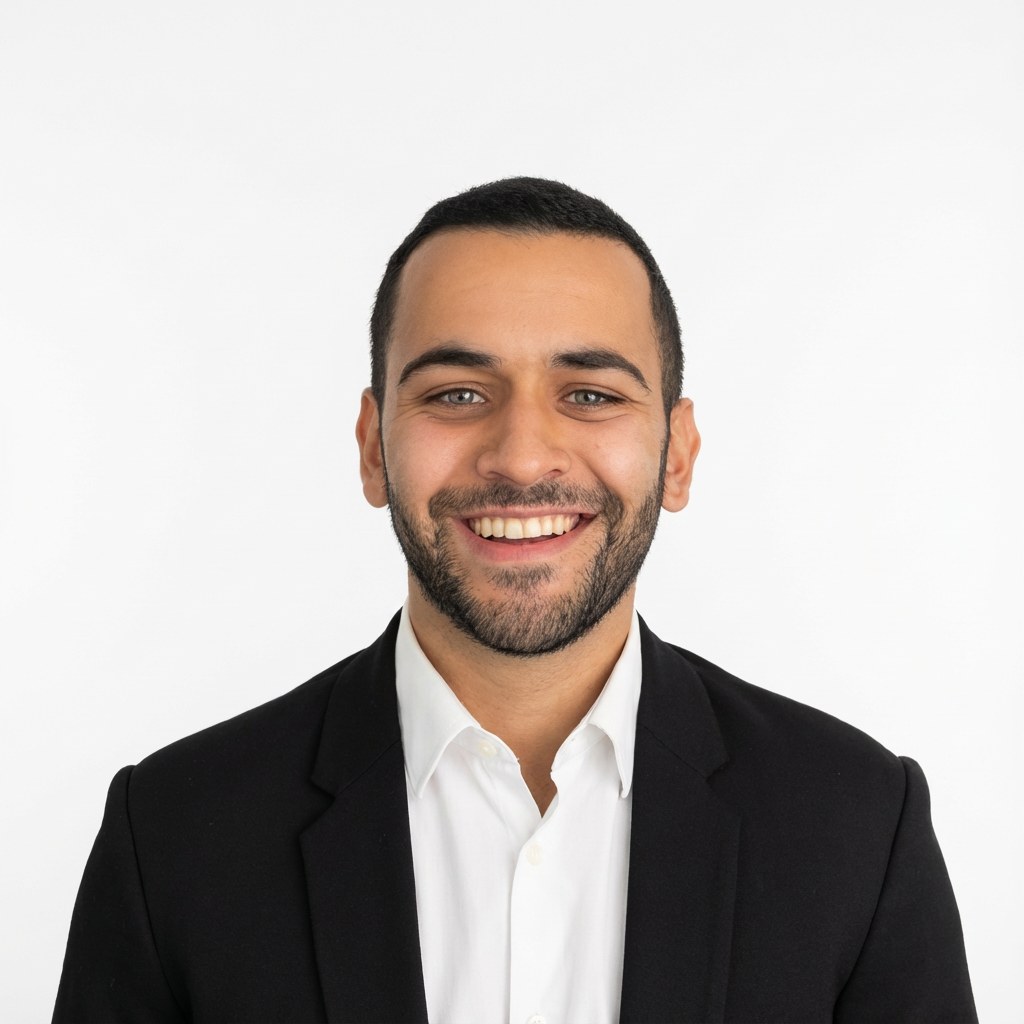
CREO was built by Georgio Fawaz, a Product Designer and Creative Director based in Paris. Not a photography studio that added AI — a production system designed the way a product gets designed: identify the bottleneck, engineer around it, ship something that works under real constraints.
The bottleneck was never talent or taste. It was logistics — a studio, a model, a stylist, a weather window. CREO removes the stack and keeps the standard: the output has to hold up next to a real editorial shoot, or it doesn't ship.
CREO is opening its first production slots to a small number of founding partners — priority turnaround, direct input into the visual system as it's built out, and founding pricing that won't be offered again once the roster is set.